1. Online Classrooms Can Become Places of Connection
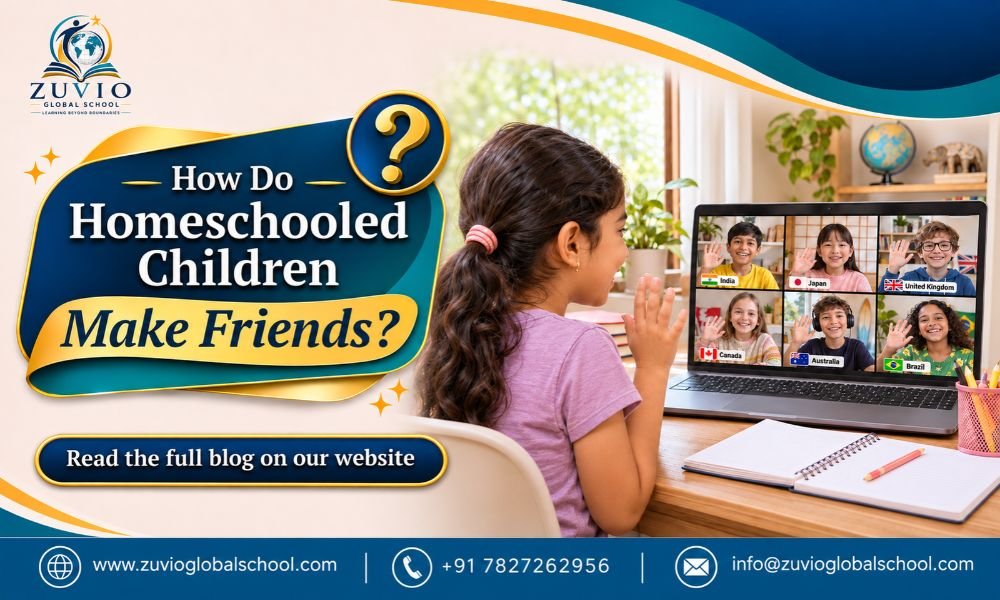
Imagine a child logging into an online class, greeting familiar faces, participating in a group discussion, or sharing an exciting idea with classmates. These small moments can become the starting points of friendships.
In interactive online learning environments, children have opportunities to:
· Communicate with classmates during live sessions.
· Participate in group discussions and collaborative activities.
· Share ideas, opinions, and creative work.
· Learn teamwork, listening, and respectful communication.
· Connect with peers from different cities or countries.
A virtual classroom can be more than a
place for lessons. With thoughtful teaching and regular interaction, it can
become a space where children begin to feel included and connected.
2. Shared Interests Create Natural Friendships
Have you noticed how quickly two children can connect when they discover they both love chess, dancing, drawing, or building something? Friendship often begins with a simple shared interest.
Homeschooled children can participate in extracurricular activities such as sports, music, art, coding, robotics, chess, and dance. These activities give children something exciting to talk about and work towards together.
Two children attending a robotics workshop may begin by discussing a project and gradually become friends. Similarly, children learning chess may connect through friendly matches, shared strategies, and a common passion for the game.
Sometimes, the strongest friendships begin
with a shared hobby rather than a shared classroom.
3. Real-World Experiences Build Social Confidence
Learning from home doesn’t mean staying home all day. Homeschooled children can explore social opportunities through community events, neighbourhood activities, sports clubs, family gatherings, educational outings, and local workshops.
A visit to a park can become an opportunity to meet new friends. A sports activity can teach teamwork. A community celebration can introduce children to different cultures, personalities, and experiences.
These interactions help children develop essential life skills:
· Starting conversations with new people.
· Sharing and cooperating with others.
· Understanding different perspectives.
· Building confidence in unfamiliar settings.
· Developing empathy and respect.
The goal is not simply to meet more people. It’s to help children feel comfortable forming and maintaining meaningful relationships.
4. Friendships Can Grow Across Cities and Borders
One exciting possibility of online education is that children’s social circles don’t always have to be limited by geography. Online learning can introduce children to peers from different cities, regions, and backgrounds.
Through group activities, virtual celebrations, collaborative projects, and interactive discussions, children can learn about different cultures and perspectives. A child in Delhi might collaborate on a creative project with a child in Bengaluru or connect with a peer living abroad.
These experiences can encourage curiosity, cultural awareness, and global citizenship. Online friendships also need age-appropriate supervision, digital safety guidance, and opportunities for meaningful ongoing interaction.
5. Smaller Groups Can Encourage Meaningful Conversations
Not every child feels comfortable speaking in a large classroom. Some children are naturally outgoing, while others need more time to open up.
Structured small-group activities can provide opportunities for quieter children to express themselves, ask questions, and gradually build confidence. Children may find it easier to remember one another, discover common interests, and form connections.
For a shy child, even a simple conversation
about a favourite book or hobby can be an important first step towards
friendship. Every child connects differently, and that’s perfectly okay.
6. Parents Play an Important Role in Building Friendships
Whether a child attends a traditional school or learns from home, parents can play an important role in supporting healthy social relationships. A little encouragement can make a big difference.
Parents can help by:
· Arranging regular playdates with neighbours or family friends.
· Encouraging participation in group hobbies and sports.
· Joining local homeschooling communities and activity groups.
· Helping children maintain contact with friends.
· Creating opportunities for safe, supervised online interactions.
· Listening when children share their feelings about friendships.
Most importantly, parents should give children space to form friendships naturally rather than forcing social interactions. Friendship-building is a gradual process, and every child’s social journey looks different.
7. Social Skills Develop Through Everyday Experiences
Making friends is one part of social development. Learning how to maintain those friendships is equally important. Children develop social skills when they collaborate, solve problems, share responsibilities, manage disagreements, and learn to understand others.
These lessons can happen during online group activities, sports, family interactions, creative workshops, and everyday community experiences. Working with another child on a project teaches cooperation. Losing a friendly game teaches resilience. Listening to a different opinion develops empathy.
Social development is not determined only by where a child studies, but also by the quality and variety of interactions they experience.
How Does Zuvio Global School Support Learning and Social Connection?
At Zuvio Global School, we believe education should nurture both academic growth and personal development. Our approach to online schooling focuses on structured learning, interactive experiences, communication, creativity, and confidence-building.
Through live online classes, engaging discussions, collaborative learning opportunities, and activities that encourage participation, we aim to create a supportive environment where children feel comfortable expressing themselves and connecting with others.
Our Zuvio Beyond enrichment programmes also offer opportunities to explore interests such as chess, robotics, coding, art, dance, and other skill-based activities.
We believe that learning should extend beyond textbooks and screens, encouraging children to discover their strengths, develop new interests, and grow socially and emotionally. While online interactions are valuable, we also encourage families to make room for outdoor play, community participation, and face-to-face friendships.
Meaningful education is about more than completing a syllabus. It’s about helping children become confident, curious, compassionate, and connected individuals.
Final Thoughts: Friendship Has No Fixed Classroom
So, how do homeschooled children make friends? Through shared interests, meaningful conversations, group activities, community experiences, and everyday opportunities to connect.
Homeschooling doesn’t automatically create friendships, just as attending a traditional school doesn’t guarantee them. Children need regular opportunities to interact, feel included, and develop relationships over time.
With thoughtful planning, supportive parents, and engaging learning experiences, children can develop both social confidence and meaningful friendships. Because a classroom may be online, but friendship, connection, and learning can extend far beyond the screen.
Discover Learning Beyond the Traditional Classroom
Looking for an online schooling experience that combines structured academics, interactive learning, and opportunities for holistic development?
Explore Zuvio Global School — where learning is flexible, engaging, and designed around every child’s potential. Visit our website to learn more about admissions, curriculum, and enrichment opportunities.